
Rabu, 09 Mei 2012
Always Glad to See These in the Garden! My Submission ID Was Correct!!

Selasa, 08 Mei 2012
Herb of the Year, 2012, The Rose and An Update About Our Friend!!


We usually start fertilizing our roses about April 1 and end about August 1. We usually use an organic fertilizer of some kind because as the fertilizer is taken up by the plant the majority of the fertilizer ends up in the flowers. You don't want to be ingesting more chemicals into your body. I always say that I probably would glow in the black light with all of the chemicals I have ingested over the years. Another favorite rose book of mine is by Stephen Scanniello called A Year of Roses. I should be reading this every year to refresh my memory. It gives you good basic information month by month for major chores to be done if you have one bush or a bunch of rose bushes.

Finally, a rose book by one of my favorite contemporary herbal authors (He is alive and well and living in Missouri.), Jim Long. He wrote How to Eat A Rose way back in 2004 and it has been revised (with color photos) and has a lot of good recipes using roses.


I also want to give you very good news. All of your thoughts and prayers have helped our friend, Deana get to her 40th birthday over the weekend. After an exhaustive year of treatment, she is in remission! Her numbers continue to be great. In case you don't remember, she has been battling multiple myeloma. She has the fantastic support of her family and friends. Happy, happy 40th dear Deana! She celebrated with her husband on a cruise to Bermuda. There is no one more deserving than you!
It is very rainy here. As you can see the lemon verbena is leaping out of the ground. We are going to be in the 30's later in the week, but it should get through that just fine. The bucket may make a return appearance. I'm probably going to be all over the place with posts now because topics are coming fast and furiously! I have lost some plants in the herb garden (by force) and death so I'm going to do a quick redesign and I'll share that with you as I come up with a plan! Hope you have had a great day. Talk to you later.
Senin, 07 Mei 2012
The First Herb Plants of the Season!

Well, these new herbal kids are from Kathleen Gips' lovely Village Herb Shop in Chagrin Falls, Ohio. These are all from Mulberry Creek Herb Farm out in Huron, Ohio. I got several scented geraniums, a couple of rues, a couple of thymes, some 'lemon gem' marigolds and several lavenders. I'll show you where I'm going to plant them in the garden later. My herbal companion, Bonnie and I had a fun day having a tea experience and shopping at Kathleen's. Two of our favorite things to do.
I have a lot of space (sort of) with the garlic chives out of the herb garden. I found three dead lavender plants while I was taking out the garlic chives! So I have lots to talk about and will do it in upcoming posts. Just remind me if there is a subject that I forgot to writing about! Getting old and forgetful! I forgot which herb is most helpful! Is that ginko? Going to work on the garden before it storms. I just yawned. I got my walk in early which is a good thing but sometimes I need that extra sleep! Forgot to mention that I've added a new little feature on the right hand column showing you the progress of my lemon verbena that's coming back from the ground. I smelled its little leaves yesterday and it just has the most wonderful lemon smell. Hope you are having a great day. Talk to you later.
Sabtu, 05 Mei 2012
Just when you think you haven't made a difference...
 |
| This poppy languished in the shade for three years before I moved it last year, and it is rewarding me for the effort by blooming repeatedly with lush, gorgeous blooms. Maybe next year it will spread! |
Gradually I've added much more than I realized. Rows of lavender and sage, mint patches, chamomile, and trees are now part of the landscape, and I take them for granted. Some of the things that have gone in struggled for years because they needed more light or less groundhogs. It's been rainy, and I've been on an enforced vacation for a while, so today I got out for a few minutes to see what is going on. What a marvelous surprise! Everything has returned. Nothing was lost - not even the passionflower that I was sure had gone forever! The horseradish is tall among the weeds, the witch hazel is bushing out, and the persimmon is about to bloom. The sour cherry is covered with lush leaves. It is very rewarding to see all of the plants that I've tucked in and nurtured have survived and thrived - as well as the volunteer (and most desired) mimosa tree. Lots of fruits and herbs in the near future.
 |
| Bluets were purchased as a tiny, almost invisible bunch of upright threads atop a few miniature leaves. They are simply a sentimental flower for me, reminding me of a miraculous morning. |
 |
| Finally the blueberry patch is filled with many, many bunches of unripe berries. Half a dozen plants went in the first year, and they've been whittled down each spring by varmints. This year with the help of a fence, we'll have fresh blueberries to harvest. |
 |
| I've never bothered to grow my own comfrey before, but last year my sister and I dried our own for soapmaking, and found it to be so superior that we will always grow and dry it ourselves from now on. The flowers are exquisite. |
 |
| The red currants have been carefree from the first year, and have produced since the second. They are one of those plants that keep you going, keep you trying new things. |
 |
| Elder blow is already covering the "auria" bush in the corner. Always early, but never in the first week of May before. The bush is now 8 feet across and at least as tall. Standing next to it, the scent is intoxicating. |
 |
| My friend Roe sent me some elecampane roots last year, and I was afraid to look, since their location is especially weed-ridden and rocky. Both of the plantings took root, and they look pretty happy! |
 |
| I expect that there will be ripe figs to eat by mid-June. Another gift from a friend, this has been another one of the plants that gave me courage to try others. It has been happy here from the day it was planted. |
 |
| Gooseberries. We lost some to frost, as last week when I tweeked the branches, tiny yellowed fruit fell to the ground, but it looks like there will still be plenty to eat. |
 |
| Each year we participate in a conference and receive small packages of iris bulbs. Last fall I finally planted several years worth - and today they peeped out above the weeds to thank me. |
 |
| Last year the birds got all the serviceberries, and shortly thereafter, tent caterpillars took over the small tree. I was worried about how it would survive the winter, but it looks just fine. Maybe I'll even get to eat some this year! |
Jumat, 04 Mei 2012
Wildcrafting Part 1

Are you interested in harvesting your own plants for food and for medicine?
Are you concerned about harvesting plants in a sustainably way?
Wildcrafting is the art of harvesting wild plants, from harvesting dandelion roots at your local park to harvesting uva ursi from the forest floor.
Like all aspects of herbalism, wildcrafting is an art. Each plant is unique and there are special considerations for every ecosystem you’ll harvest from. This series will take you step by step through ethical considerations to tools needed to harvesting specifics.
This multi-media six part series will cover the following areas:
Part 1 - Introduction to wildcrafting and the ethics involved
Part 2 - Why wildcraft?
Part 3- Tools of the Trade
Part 4 - Before the harvest: Important considerations
Part 5 - Harvesting specifics with worksheets and record keeping files
Part 6 - Further resources
Part I - Introduction to Wildcrafting
If we choose to use plants as medicine, we then become accountable for the health of the wild gardens. We begin a co-creative partnership with the plants, giving back what we receive -- health, nourishment, beauty and protection. We have reached a time in history when ignoring this relationship with the resources we use would be disastrous.
Rosemary Gladstar
Founder of United Plant Savers
As herbalists we are truly responsible for the health of the plants we harvest and use, including plants found in the wilderness and those growing in our neighborhoods. By learning how to wildcraft ethically we can be better stewards for the lands around us.
There are different perspectives in the modern world about how humans relate to their environment. Many people feel that the earth is ours to use without consideration for future generations. Others feel that the wilderness should remain “pure” and absolutely untouched by humans.
Neither viewpoint reflects an inherent understanding of the natural world and our place in it.
Wildcrafting and awareness
Our ancestors had a strong connection to the earth around them. Because they relied on materials, animals, and plants taken from their immediate surroundings, they could not ignore how the health of the environment affected the health of the family.


A feast of native wild foods
The gadgets, gizmos, foods and building supplies of today still come from the earth, but now the cost is hidden from us. We flip the light switch without thought to the dams impeding our rivers and killing our salmon. We fill up our trashcans each week without having to face the ugly realities of landfills.
Inherent to the study of plants for medicine is the awareness of how our actions directly affect the health of this planet we call home. Wildcrafting plants for our food and medicine builds this awareness.
Over-harvesting and under-harvesting
In North America we have lost very important medicinal plants to over-harvesting. Echinacea, goldenseal, and false unicorn root are but a few of the plants that are no longer found in the wild.
It is a less intuitive truth that underharvesting of medicinal plants can also reduce plant populations.
When my husband and I moved to the Methow Valley in North Central Washington, we were thrilled at the wildcrafting possibilities. The Methow Valley used to be the home of the Methow people, who relied year-round on local plants and animals for food.
Since the area hadn’t been harvested in fifty to a hundred years we thought the wild plant populations would be abundant. As we explored our valley more and more, we were surprised to find that the important edible plants seemed few and far between. How did people survive on the meager supply of plants?
My husband took these questions to heart and started studying the ethno-ecology of the region. This new realm of study offers insight into how wilderness can flourish with human involvement.
 |
| Yellow bells (Fritillaria pudica) |
Yellow bells (Fritillaria pudica) is one of my favorite examples. Also called rice root, the bulb of this plant contains numerous rice-like plant bulblets. If these bulblets stay connected to the original bulb, they do not become a new plant. However, when separated and spread around they grow into new plants. Harvesting this plant can increase the amount of yellow bells in an area by 20-fold.
 |
| The "rice root" of Yellow Bells |
Likewise, sweet, juicy berries are a generous offering by our plant friends, but I am sure most of us are familiar with the underlying motivations of plants that produce berries. Berries are made to be eaten by a wide range of creatures, who spread the seeds far and wide after digestion.
So while humans can wreak havoc on the plant world by overharvesting or by overtaking plant habitats, the opposite can also be true. Our interactions with plants can also promote health and balance in the plant world.
Like people before us who lived closer to the earth, we can harvest plants with the end result being healthier, stronger plant populations.

This series of articles was originally written for www.herbmentor.com

Wildcrafting Part II - Why Wildcraft?
Wildcrafting Part III - Tools of the Trade
Wildcrafting Part IV: Before you Harvest
Wildcrafting Part V: Harvesting Guidelines
Wilcrafting Part VI: Resources
The First Herbal Move!


Kamis, 03 Mei 2012
They're Baack!

Hope you had a great day. We got our big containers out. I warned The Herbal Husband that the 40's were still possible. He has faith that it will only be in the 50's. Hope he is right or we will be moving plants back into the garage! Oh the pain of gardening!:-} Talk to you later.
Rabu, 02 Mei 2012
A List of Tender Perennial Herbs

OK, here is my last list of herbs, tender perennials. Let me know if I forgot any favorites. It just works out that in botanical names, lemon verbena is first on my list. For you ladies and gentlemen in the southern climates, these would all be perennials for you. I'm taking a herbal moment here because you are all so very lucky! As I told you in various "mild" winters such as we had this past one, I may have gotten some on this list through the winter. Although none of the scented geraniums outside made it through, my curry plant did make it through as did a lemon verbena. That is very atypical for those plants. My 23 year old plus or minus sweet bay is doing well in its container. I also got two rosemarys through and a pineapple sage inside.
Lemon Verbena (Aloysia triphylla) is my favorite herb. It is a native of South America and can grow up to ten feet in its native land. Lemon verbena is propagated by cuttings not by seed. You grow lemon verbena for its leaves not its flowers. I grow it both in my garden and in a pot. It gets to about four feet in the ground in the northern climates. I always try to put one in a container to bring it inside for the winter. Once inside it almost always drops its leaves and goes dormant. Water it every week to ten days inside. It will start leafing out in February or so and you will be able to put it out again in May after the threat of frost. I use lemon verbena leaves fresh in cooking and baking. It is like the bay leaf. You need to take that midrib out of the leaf before you use it to cook. Dried leaves can be used in tea blends or for potpourri. You can plant this mid to back of the herb border and dig it up and bring it back in for the winter. This is a link to my initial post on this magical herb in 2008 called What’s in an Herbal Name.
Curry Plant (Helichrysum italicum) is a wonderful herb that smells like the curry spice but is not the plant that produces it. Curry is a blend of several herbs together. This is a lovely gray leaved herb that produces yellow button flowers. The one fact that I didn’t know about curry is that it repels bees! I really do like the plant so I will continue to grow it. It would be a front of the herb border plant in my herb garden. Here is a post I did several years ago about the curry plant.
Sweet Bay(Laurus nobilis) is a wonderful container plant that can grow to about six feet tall. It is perennial for Zones 8-10. Propagation is from cuttings and that can take many months to root. Healthy trees respond to pruning and shearing. The only real problem with bay trees is that it can get scale. Use the leaves fresh or dried. In both cases for cooking they should be removed before serving the prepared food. Here is a link for a post I did when sweet bay was the herb of the year. I would just plant it in a container if you are in the northern part of the US and forget about using it in a border. Some gardeners dig a hole for the container and then in August or September get it out and start taking it inside to get it accustomed to the changes.
Sweet Marjoram (Origanum marjorana) is considered a tender perennial, but I treat it as an annual in my garden. I have had it comeback in certain years, but that does not happen often. I love it even more than Greek oregano. I love the knotted white flowers in the late summer. You need to be clipping this herb so it doesn’t go to flower too quickly and using it fresh or drying it to use during the winter. I love to make an herbal butter and use it on fresh veggies like corn on the cob. It is a low grower and should be at the front of the border. I talked about sweet marjoram in this post about Shakespeare's herbs.
Scented Geranium (Pelargoniumsp.) is a native of South Africa and is considered a tender perennial in zones north of 9, but this is another herb that I treat as an annual. It is very easy to take cuttings and bring them in for the winter. It is nice to have a scented geranium on a windowsill that you can sniff the leaves from time to time. It seems in mild winters that varieties such as coconut or apple will reseed and come back in the garden. You definitely grow them for their leaves and not their flowers. They need full sun with the exception of peppermint-scented scented geraniums that need afternoon shade. Scented geraniums are very good in a container situation. Lemon, rose, peppermint and apple are some of my favorite scents. Used in baking a cake as a liner to the cake pan or dried in a potpourri, scented geraniums are a versatile herb. Because there are many sizes and shapes of scented geraniums, I would use them in the front or mid-range of the herb border. The small sizes are great in a container as shown in this post from my blog in 2009.
Rosemary (Rosmarinus officinalis) is a native of the Mediterranean region and is a tender perennial in the northern part of the US. In native lands it can grow to six feet tall. We usually have at least two rosemarys in the garden, one upright variety and one prostrate. Rosemary is just not hardy for us here in the ‘Burgh. Propagation is by layering or stem cuttings. You should provide well-drained soil to prevent root rot and good air circulation to discourage powdery mildew. We usually keep at least one rosemary in a container so it can be brought inside. With the mild winter we had it might even have made it through the winter. If you are going to try to get a rosemary through the winter, go with the 'Arp' variety. This is the year that I didn't leave one in the garden. It would be a front or mid-range herb in the border. This is a post I did from last year called One of My Favorites-Rosemary.
Pineapple Sage(Salvia elegans) is a tender perennial of the large salvia family. It is about four feet tall in my herb garden and has beautiful red tubular flowers that hummingbirds love as you can see in my post called My Herbal Dream Come True. The leaves have the wonderful scent and taste of pineapple. You must use them fresh because the leaves do not dry well. I usually use them chopped finely in my fruit salads for breakfast in the summer or you can use the fresh leaves in your cold iced tea or lemonade. We had a pineapple sage make it through the winter on a south facing windowsill. Pineapple sage does well in the mid-range to the back of the herb border.
Been rainy and warm in the garden. Hoping to get back out to work in it some time later this week! The weeds are growing. Hope you are having a great day. Thanks for stopping by my herb garden. Talk to you later.
Selasa, 01 Mei 2012
Herbal Window Shopping, or We LOVE our Advertisers!
Here at The Essential Herbal Magazine, we just couldn't make it without the support of our advertisers. We'd like to take a moment out and thank them - and let you know a little bit about them. We always have their links along the side of the blog, but a little spotlight never hurt anyone :-). Click on the links and visit them today!
 |
| We want to list this one first because it is time sensitive - The Herb Fairies series is only available until May 5 from Learning Herbs, so you'll want to click on this one right away. Additionally, they are holding a FREE herb seminar with Aviva Romm on herbs for summer on May 3 - so we wanted to let you know about that, too. |
 |
| Possum Creek Herb Farm is the place I got my elderberries! Great plants, great service, and Michele and Pat provide both retail and wholesale herb plants. Visit today and see if they have what you've been looking for. |
 |
| Alloway Creek Garden near Gettysburg PA is on the farm of Barb and Roger Steele. Each year they have a garden and art faire, featuring artists, herbs, music and food. A great time is had by all! This year it is June1 and 2 - 10 to 3, rain or shine. |
 |
| Blessed Maine Herbs is the home of renowned herbalist and writer Gail Faith Edwards, and is where her beautiful herbs are grown with the help of her children and extended family. Visit her website for class information, herbs, books and much more! |
 |
| BJ's Lavender is located in Bakersfield, Ca. They grow lavender for crafts & three kinds for culinary. Their culinary lavender is mild in taste & a little sweet. They have been growing lavender for 3 years and have now opened the farm to the public. |
 |
| Lancaster County Soapworks, Etc., has been making soap for wholesale customers for over 15 years. If you have a shop and want to add a beautiful line of hand-crafted soap, check it out. |
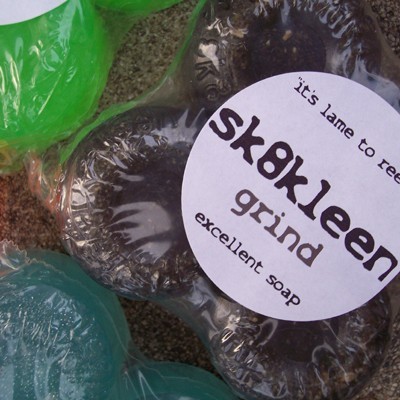 |
| Alicia Grosso is well known to many soapmakers from her books and delicious writings in The Essential Herbal Magazine. Her website is filled with luscious stuff! |
 |
| This premier event in the Midwest promises to be memorable and the start of something big. Many of my herbie friends living within a state or two are very much looking forward to this conference in June. It looks great! |
 |
| Speaking of premier, Mountain Rose Herbs is the first place we look for herbs we can't grow ourselves. Their ever-expanding line of herbs and herbal products and supplies make a visit to their site worthwhile any day. |
 |
| Poppy Swap is a great place to shop for herbal products made by individuals and small companies that you often can't find elsewhere. A magical herbal "mall" filled with surprises. |
 |
| Herbalist Susan Hess is the owner of Farm at Coventry - a place of herbal learning, delightful herbal preparations, and a certain peaceful sensibility that harkens to days gone by. You'll love Farm at Coventry! |
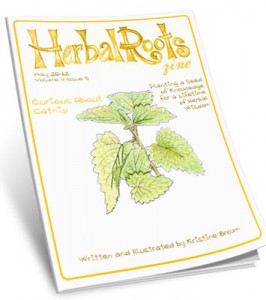 |
| A lot of people think that Herbal Roots Zine is for kids, but I think it has a lot to offer to all beginning herbies! Creator Kristine Brown puts together this monthly pdf zine with obvious love and knowledge, focusing on a single herb each month. |
 |
| Herbs from the Labyrinth, and the physical shop in Lancaster PA - Radiance - are filled with a myriad of hand crafted herbal treasure that are either made by herbalist Sarah Campbell, or sourced from free-trade countries and responsible crafters. Great site, and if you're ever in the area you need NEED to stop in! |
 |
| Handcrafted soap and lotion makers (as well as other bath and body products) will love The Original Soap Dish. All kinds of ingredients, fragrances, packaging, and equipment for home crafters or businesses. She even has some bio-degradable packaging options! |
 |
| Sun Rose Aromatics is an oasis filled with beautiful, rare, exquisite essential oils, as well as diffusers, salt lamps, resins, incredible incenses, gift sets, teas and tea accessories, and much, much more. |
 |
| Torchsong Studio is the showcase of our lay-out director. Maryanne makes spectacular beads and vessels from rods of colored glass. I keep her too busy to put a lot on her site, but what she manages to get up there is spectacular. |
 |
| When you're ready to take that next step in the soap business, SoapEquipment.com is the place to go. Everything from molds to melters, to whippers, to packaging solutions - you'll find what you need here. |
Guest Blogging for The Herb Companion Magazine!


Langganan:
Postingan (Atom)