Tampilkan postingan dengan label Blog Party. Tampilkan semua postingan

Sabtu, 14 Agustus 2010

Holistic Herbal Perspectives for Challenges with Fertility


Preparing for pregnancy is the beginning of a new era in a couple’s life. The excitement of expanding a family, the doubts of parenthood, the increased responsibilities of creating life, all can be a random mix of happiness and intense stress.

This article is an introduction to holistic perspectives on infertility. It is impossible to fully address all areas of this subject in a blog post, but I hope it gives readers an idea of how a holistic herbal practitioner might approach a couple who has not conceived.

Most couples conceive within months after consciously making the decision to become pregnant. Failure to conceive after twelve months of regular sexual activity with no use of contraceptives is labeled as infertility.

Standard methods of treatment for infertility can be costly and invasive. Seeking holistic health treatments first is a viable alternative that can often prove successful. Often, a combination of western allopathic medicine and holistic herbal perspectives is most helpful.

Couples experiencing problems with fertility are advised to have some western medicine tests performed to better understand what is limiting conception.

Males can undergo sperm analysis to rule out abnormalities. They may also want to be tested for genito-urinary infections.

Females can have blood work done to evaluate hormones, the endocrine system including the thyroid, and genito-urinary infection screening. Further tests may be necessary but these are a good place to start.

The results of these tests can help pinpoint areas of concern.

The causes and factors of infertility are so varied there are simply no standard herbal treatment plans. Instead, it is the goal of the practitioner to evaluate and assess the couple to create a plan that promotes overall wellness.

The failure to conceive is a symptom of an underlying cause. Couples seeking holistic treatment need to understand that while the end-result may be conception followed by birth, the big picture goal is to create a healthy balance in the entire body.

General Suggestions
My first recommendation for couples seeking conception is to purposefully avoid conception for 4-6 months. This may seem like an odd first suggestion but I feel that these months can then be devoted to creating vibrant health and well-being in both of the parents. Although the desire for a pregnancy as soon as possible can be hard to ignore, taking the time to focus on the health of the parents can result in a happier pregnancy and a healthier baby.

These months can also be taken to cultivate romance in the relationship. The couple can again experience the art of making love without the pressure to conceive.

Women who continue to pursue conception may have to limit beneficial herbs because they are not advised in pregnancy (and therefore can not be ethically given to those actively seeking conception) or they may not fully resolve underlying issues before further stressing the body with the awe-inspiring task of creating life. 

My next suggestion is to monitor the women’s ovulatory cycle. The book, Taking Charge of Your Fertility by Toni Weschler, is a must read for all women whether or not they are seeking pregnancy. It clearly explains how to monitor the women’s basal temperature, the shape and feel of the cervix, and cervical mucosal changes in order to know when and if a woman is ovulating. This alone can help the couple to increase their fertility as well as provide more information about a woman’s cycle and any possible abnormalities.

Another general suggestion for any couple seeking pregnancy is to adopt a pre-conception diet. This is important for both the male and female! While this needs to be tailored specifically to each individual, overall suggestions include:

healthy fats (farm fresh eggs, olive oil, pastured meats including organ meats, coconut oil, raw dairy from healthy animals, olives)
protein (preferably from pastured animals, well sourced fish, fresh nuts)
variety and abundance of vegetables and fruit (organic, nutrient dense)
whole grains and legumes (preferably soaked and fermented before being cooked)

Foods to avoid generally include
any food intolerances specific to that person (common foods are gluten, dairy, soy, corn)
large amounts of sugar (preferably no sugar is eaten)
dairy that is produced in feed lots containing unknown hormones, anti-biotics, etc.
meat from factory farms
processed foods
alcohol
caffeine
denatured food
unfermented soy

Each person should be evaluated for nutritional deficiencies. Depending on the person and the deficiency these can be addressed through food or supplements.

Common nutritional deficiencies include
Magnesium
Omega 3s
Vitamin D
Vitamin C
Vitamin E
Selenium
Zinc
B Vitamins (Especially important for vegetarian women. B12 deficiency is implicated in miscarriage.)

I especially encourage all couples seeking to conceive to have their vitamin D levels tested to ensure they have adequate levels. My mentor, KP Khalsa, says that vitamin D is the nutritional breakthrough of the century. What we know now vs ten years ago is astounding and research is mounting higher and higher, showing the extreme importance of vitamin D levels for the health of the mom and the health of the developing fetus.

Possible Areas of Concern

A holistic practitioner is interested in increasing the entire health and well-being of an individual. Here are some possible areas and concerns that may be addressed.

Reproductive System Health
Polycystic ovarian disease
PCOD is often implicated in women with fertility challenges. Again, protocols would be tailored to that individual but would frequently include addressing insulin resistance, liver function, and pelvic health.

Endometriosis
Endometriosis affects 5 - 10% of women.  The causes can vary and protocols would be tailored to the individual. General suggestions will be around improving liver health and lymphatic health, pelvic decongestants and adaptogens.

Immune health
Imbalances in the immune system can inhibit conception. Treating low-grade infection in the genito-urinary system and addressing any autoimmune factors can be an important factor in fertility health. Important aspects of this are taking immunomodulating herbs, addressing leaky gut syndrome, and avoiding food intolerances.

Endocrine System Health
Disorders within the endocrine system that affect fertility can include hyper or hypo thyroidism, pituitary dysfunction, and signs of adrenal weakness.

Stress is a major factor in fertility. Herbalist, midwife, and Dr. Aviva Romm says, “There is a direct relationship between fertility and stress [and stress] is as much an endocrine experience as an emotional reality.”

Kidney Yang Deficiency
In my practice I often see adrenal fatigue or, in TCM terms, kidney yang deficiency, as an underlying cause of infertility. Kidney yang deficiency is a whole other topic in itself but it is addressed with herbs, lifestyle, and nutritional changes that can help restore balance to these depleted individuals. Adaptogen herbs, nutrient dense foods, healthy sleep habits, regular exercise, and stress management tools are commonly suggested.

Environmental Health
The health of the environment plays a large role in fertility health. Pesticides, heavy metals, xenoestrogens, and radiation have all been implicated in infertility and with miscarriage. An evaluation of the couple’s home and workplace to avoid these toxins is important.

Introduction to bi-phasic formulation
As you can see it’s hard to recommend general herbs for fertility without first understanding the underlying issues that are presenting. Also, not only which herbs you take are important but also when you take them can be important.

I recently took a class on bi-phasic formulation with one of my favorite herbalists (who is also a naturopathic doctor) Robin di Pasquale. Although I haven’t had the opportunity to use this method myself, I thought I would discuss the general theory of it here.

Bi-phasic formulas are issued in two parts. These are be given in accordance of the cycle of  the woman’s menstrual cycle.

The idea is that in the first two weeks of the menstrual cycle (follicular phase) a woman is building estrogen hormones in her body. The last two weeks progesterone is building (luteal phase).

Using a bi-phasic formulation you can then support the woman’s natural cycle. One formula is created for the follicular phase of the cycle and one formula is given for the luteal phase of the cycle. Other considerations may also be present in this formula including liver health, immune support, adrenal support, etc.

Of course all herbs and formulas are created for the individual woman. Besides being important in promoting fertility, bi-phasic formulas can be utilized in a variety of women’s health issues to help bring overall balance and well-being.

Herbal Considerations
I think by now you get the idea that there is no “one herb” to solve infertility issues. Instead addressing what is specifically going on for a particular couple is more successful than blinding pulling an infertility herb out of a hat. Nonetheless as an herbalist I simply must discuss a few herbs that I regularly use for women wishing to conceive.


Shatavari
Asparagus racemosus
Liliaceae family

Shatavari is an Ayurvedic herb that is commonly used for women as a nutritive tonic. It is moistening and building making it a good choice for vata-like conditions. (In Ayurveda, a vata derangement is usually associated with infertility). A food-like substance it can be taken in high doses for extended periods of time. I usually recommend up to ten grams a day taken as a freshly ground powder in ghee or honey. Shatavari is rejuvenating someone from the earth up and it may take several weeks to a month to notice a significant difference.
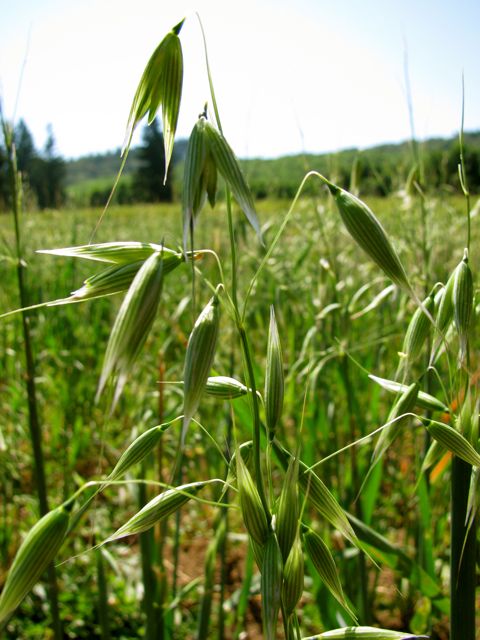
Milky Oats
Avena sativa
Poaceae family

Another moistening and nutritive tonic, this is a specific trophorestorative for the nervous system. I like both the infusion of the dried milky oat tops as well as the tincture made from the fresh milky oats. I often advise to combine the two preparations. This is for the women (and men) who are high strung and about to fall off their high wire at any moment. This nutritive tonic, like shatavari, re-builds by nourishment bring the body to a better state of health.

Nettle
Urtica dioica
Urticaceae family

A strong nutritive tonic, nettle is renowned for it’s high vitamin and mineral content. Taken daily as a strong infusion it can help to build blood (high in iron) and restore general health and well-being. Nettle can often be too drying and possibly too cooling for some individuals. Small amounts of marshmallow root and ginger can help to balance this out. 

Dong Quai
Angelica sinensis
Apiaceae family 


Like nettle, dong quai builds the blood and is indicated for women who are pale with low vitality and how may have a dark and scanty menstrual flow. Traditional Chinese Medicine has used this herb for centuries as a female reproductive tonic to regulate the menstrual cycle and address amenorrhea. 

Conclusion
Dealing with fertility obstacles can be an immensely challenging time for a couple. There is no proven get-pregnant-quick protocol as the underlying reasons for infertility are as varied as the people themselves. This article is only a brief look at some of the areas a holistic practitioner would evaluate in order to facilitate increased vitality to the whole being. The following are some additional resources that can help educate people further on this issue.

Books
Botanical Medicine for Women’s Health by Aviva Romm

Taking Charge of your Fertility by Toni Weschler

Websites
Preconception diet

Diet and unexplained infertility

General

This blog post was a part of a blog party on the topic of Fertility hosted by Karen Vaughn of Brooklyn Acupuncture

Kamis, 15 Juli 2010

Photographic Herbal Adventures


I started learning herbs from an ethnobotanist and so even on the first day of class we were out wildcrafting. I remember circling around the cedar tree, giving thanks, and then gathering needles to make an infused oil. I asked her what plantain was, later she pointed out her comfrey beginning to grow for the season and I was absolutely hooked. Wildcrafting for food and medicine just made sense to me, an inherent human right had been reestablished.

We harvest a lot of food and medicine for our household. My husband Xavier matches my enthusiasm for medicinal plants with his enthusiasm to harvest wild foods. Together we make a great team.

In the past year or so my wildcrafting has taken a different tone. As excited as I get about finding healthy stands of plants for harvesting, I now have a new tool in hand - my camera.

Plant photography has opened up a whole new world of plants for me. Capturing plants on film challenges me to really know my plants well. My end goal for the photos I take is to wow the audience by letting the plant speak for itself.

In this blog post I'll share some of my favorite photos and give some of the stories behind the photo.

This is a parasitic orchid, Coralroot. I took this photo in the mountains above Escalante, Utah. We found the stand while walking around a lake. The magenta stood out in the forest and I quickly climbed down a steep hill to see what it was. The flowers are so very tiny yet they can astound us with their exotic nature.  I've never harvested coralroot but it does have a strong history of medicinal use. You can read more about it on Henriette's site. My paternal family has lived in the Escalante area for almost 200 years. Seeing this plant I wondered how many thousands of years it had lived in the area.

Bitterroot is a favorite wild edible in our household. Every time I see it I am amazed at this incredible flower growing out of the dry rocky soils. I took this photo earlier this spring while on a foraging trip for wild rose. The roses weren't quite ready so we continued on our own little hike. Walking off trail above a lake we suddenly saw one, then two and then a hillside covered with this incredible flower. Later this month on HerbMentor we'll have a video with more information about this beautiful plant.

We were recently traveling throughout Utah and northern Arizona and I immediately fell in love with Datura. Unfortunately the only place we found it growing was along roadsides. I took this photo, along with a lot of video footage, on the side of a steep and curvy small road. The no-see-ums and mosquitoes were out as well biting me constantly during the photo shoot.

Getting close to the flowers lets me see other aspects of the wild. This goldenrod spider is living in my garden valerian plant. It matches the flowers so incredibly well that we found it by accident ourselves. Since discovering this little creature we are both taking frequent breaks to check and see what she's doing.

A 10 minute hike for most people is usually more like an hour hike for me. Capturing one good photo can take me quite awhile. I like to spend time with the plant, see it from different angles, notice the ecosystem it's growing in, and literally, smell the roses. I also enjoy small details like little frogs on rose leaves. 


And spiders on yarrow flower buds. 


Last summer while stalking pipsissewa, my husband who's a tracker, pointed out a recent bear track. We never did find it on the hike. This was a disappointment to my husband and a relief for me.


Finding this green gentian (Frasera speciosa) was a complete surprise for me. A plant of the southwest I'd never even heard of it before. It was located on a really steep hillside with lots of underbrush and fallen trees below it. My husband when up first to check it out. Immediately he began exclaiming that I just had to come and see it for myself. Never having seen or heard of this plant before we just sat there in wonder. The colors and design on the plant are unreal. We stood uncomfortably on the steep hillside around this plant for quite awhile. Xavier lost his footing at one point but I managed to save him from tumbling down the steep hillside.

Another hiker went by on the trail below us. He asked whatever in the world we were looking at. "Flowers," replied Xavier. Oh, said the man, shaking his head down the trail.


Sometimes it's not about the what it's about the when. Raindrops can be some of the most magnificent art in nature. 


Sometimes it's about the perspective. This small weedy wonder becomes a giant in the setting sun. 

And sometimes it's not about the what but the where. Although my focus is macro, the joy comes from being out in nature, seeing the awe inspiring beauty of our earth. 

This blog post is part of the blog party hosted by Darcey Blue on the topic of Herbal Adventures

Jumat, 18 Juni 2010

Staying Cool with Chamomile Popsicles: June Blog Party


This blog post is part of the June blog party hosted by Kristine Brown of Herbal Roots Zine. The topic for this month's blog party is beating the heat of summer...herbs used for summertime to treat heat

It was originally published as an HerbMentor Newsletter.

Are you looking for a way to help your friends and family enjoy herbs? Who doesn’t love popsicles? Cool and refreshing, popsicles scream of hot summer days and the deliciousness of cooling down.

I came up with this recipe with kids in mind but I’ll bet a lot of us older kids will appreciate them as well.

Of course you can easily buy popsicles at the store. However, many of the popsicles commonly found in the grocery stores are simply artificially colored high fructose corn syrup.

High fructose corn syrup is often used as a sweetener in soda pops, candy, processed foods, ketchup, salad dressing, etc. It is being blamed in part for the obesity epidemic now facing many adults as well as a growing number of children. In our household we avoid high fructose corn syrup completely.

We can easily avoid the perils of conventional foods simply by creating our own healthy alternatives.

This popsicle recipe uses two herbs that taste great as well as offer many health benefits.


Chamomile is truly an amazing herb. It can soothe a distressed child (or adult!), it calms tummy troubles, and provides support during colds and flus. This all-purpose herb is safe for children and kids usually love its sweet and mild taste.


Hibiscus flower is high in vitamin C and has a great tart taste. It also has the added benefit of turning tea red!

These popsicles are a tasty treat for a hot summer day but are also a great remedy for children.

They can replace electrolytes, helping to rehydrate kids (or adults) who have been in the sun too long.

They can be used after a child is recovering from any kind of stomach illness such as diarrhea, upset tummy, or even vomiting. The chamomile can soothe the entire digestive tract and, again, it can help rehydrate by balancing electrolytes.

The prospect of popsicles is very exciting and you may find that you have some eager helpers in the kitchen. When I made the popsicles for this newsletter my little friend Pearl lent me a hand. You’ll see her in the photos below.


What you’ll need for this recipe:
Two tablespoons of dried Chamomile
One tablespoon of dried Hibiscus

1 and 1/4 cup boiling water
1 cup of greek yogurt
Honey to taste
Pinch of salt
Tablespoon of lemon juice
Popsicle molds (You can use paper cups and popsicle sticks)

Begin by making a tea out of the chamomile and hibiscus. Put the herbs in a cup, pour the water over the herbs, and let steep for 5 minutes. (Sometimes waiting is the hardest part!)


Strain into a small bowl


While the mixture is still hot, add honey to taste. Stir well so the honey combines with the tea. You will be mixing this with the yogurt so you may want to make it more on the sweet side.


Add a pinch of salt.


Add the lemon juice. You can use the juice of a fresh lemon. We keep this type of fresh lemon juice on hand for convenience.


Let the mixture cool a little.

Add the yogurt and mix well.


Pour into the popsicle molds.


Place these in the freezer until frozen solid. This will take several hours.


My friend Pearl loving making these and especially eating them!

This recipe is just one example of how to make herbal popsicles. There are many different herbs you could use as well. There are also a variety of different ingredients you could use. For example, you could try adding a mashed banana or rose hips. If your family has dairy allergies you can easily substitute coconut milk for the yogurt.

Let your creativity guide you as you find new ways for your friends and family to enjoy the many benefits of herbs.

If you enjoyed this post you may want to sign up for the FREE HerbMentor Newsletter. This newsletter goes out a couple times a month and is full of fabulous herbal recipes and remedies.

Minggu, 28 Februari 2010

Emerging from Winter to find Violet


Violet


Botanical name: Viola odorata, V. tricolor, V. yezoinsis


Family: Violaceae


Parts used: flowers, leaves, roots (sparingly)


Properties: cool, sweet and moist, alterative, demulcent, anti-inflammatory, lymphagogue


Used for: hot inflamed tissues, sore throats, swollen lymph glands, cysts, breast health


Plant preparations: tea, syrup, tincture, food


My first experience with violet was on a retreat with Paul Bergner. We were hiking around the Mt. Hood area of Oregon when we came upon an open meadow. Delighted, Paul dropped to the ground exploring the foliage. All around him were plants with heart shaped leaves with small yellow flowers. He gently pulled out a plant from the ground, wiped off the mud, and began to nibble the roots. Because there was such an abundance of plants in that area, Paul invited all the students to do the same. 

I found a small plant and gingerly uprooted it. It tasted quite pleasant. Fresh, sweet, salty, and then... quite mucilaginous. (Before you eat lots of violet roots note that they are emetic in high doses.)

My first impression of violet was that it is a very delicate plant. It lays close to the ground, some small flowers looking up and some looking down. These flowers that you see in the springtime aren’t true flowers as they don’t produce seeds. Later in the year small nondescript flowers form underneath the leaves and fulfill the reproductive duties of a flower. It is commonly said that violets flower in the spring for the sheer exuberance of doing so. 

Don’t let violet’s delicate nature fool you, however. This plant is a powerful ally in disguise.  


For colds and flus
Violet is an important addition to your medicine chest during the cold and flu season. A syrup of the flowers can soothe an irritated and hot throat. It’s also a powerful lymphagogue that can relieve congestion and swollen lymph glands. Cooling and mucilaginous, violet can be used for a dry cough and for ear infections. 


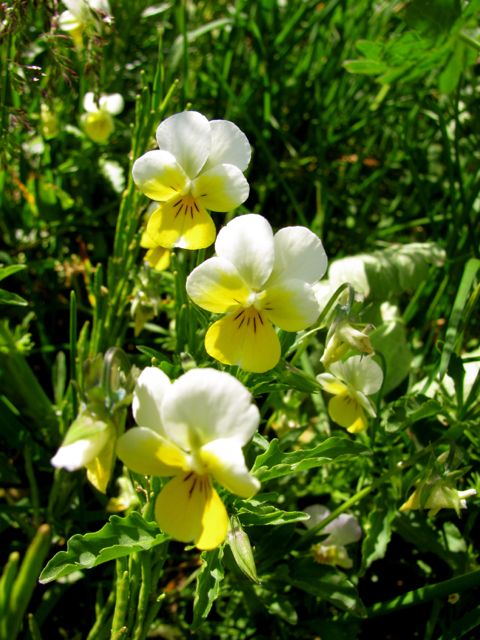
Violets growing in the French Alps


To reduce cysts
Violet’s most famous use is to dissolve cysts, lumps, and fibrotic tissue of the breast. Herbalist Matthew Wood recommends a fresh poultice of leaves and flowers for cancers of the lymphatic system, breasts, lungs, and skin. I’ve heard many stories of oil infused with fresh violets being used for dissolving lumps of the breast or simply as a preventive. 


A fresh violet poultice can be used externally for a variety of reasons. Abscesses,
acne, arthritis, minor skin irritations, sores, and swollen glands are just a few of the possibilities. 


Anti-inflammatory
Violet eases pain. It is used externally and internally for pain associated with arthritis and it especially indicated for arthritis accompanied by dry hot tissues. 


I often recommend violet leaf infusions for people who have dry, rough and itchy rashes (sometimes diagnosed as atopic dermatitis or eczema). Along with other recommendations I've seen many people who have experienced this discomfort for years, watch in wonder as it all disappears. 


Viola palustrus


As food
Violet is a culinary delight. Its fresh leaves make for a delicious salad. Violet flowers are edible and gorgeous, making them a nice garnish to any meal. Besides visual appeal, the flowers can be made into a variety of herbal goodies including syrups, candies, and jams. 


Violets do more than taste good, they are also a nutritious addition to our diet. The flowers and leaves contain very high amounts of vitamin C - some say higher than any other plant. The leaves are also high in vitamin A. 


"it stimulates waste and secretion, relieves nervous irritability, and improves nutrition" 
John Scudder 
Eclectic physician


Violet for the heart
Another name for violet is hearts-ease. It has been used for the physical and emotional heart for thousands of years. Violet is high in a constituent called rutin. Rutin strengthens capillaries, prevents platelet aggregation, and is anti-inflammatory. 


Viola tricolor


Botanically speaking
The official violet used in medicine is Viola odorata, but as far as I know all members of the Viola genus will work in a similar manner. Viola odorata originally comes from Europe and has naturalized across much of the United States. The North American continent also contains many native species of violets. 


Viola odorata


Violets belong to a family of their own called Violaceaea. According to Tom Elpel, author of Botany in a Day, there are 16 genera and 850 species in the Violoaceaea family. The African violet, which is often grown in pots here in the US, is not a member of the violet family. 


Violets have irregular flowers with five separate petals. 


Pansy growing in my garden


The pansy is a cultivated violet whose flowers can be eaten as well. 


Violets have an exploding seed valve. 


You can easily grow cultivated violets like pansies in your garden. Wild violets grow abundantly in the northern hemisphere. Look for them in damp and shady meadows. 


Violet offers many different ways to explore its gifts. If you have access to fresh violets, try making a syrup, infused oil, infused vinegar, and a poultice. Add the greens and flowers to salads or garnish any meal for a beautiful and wild flare. 


If you aren’t able to find violets growing near you, you can order the dried leaf from Mountain Rose Herbs. Violet leaves make a great nourishing herbal infusion and can be used in this way for many of the benefits listed in this article.